
As the first quarter 2026 comes to a close, brands are starting to choose ContentEngine as their platform of choice
Posted: April 7, 2026
The jury is in, and 2026 is a year of change. AI has become real faster than anyone thought, and we’re now starting to see brands who aren’t using it start to fall behind. So what’s the word of the year? Content. Companies used to pay huge overhead to support content teams for their online blog, newsletter, or content portal. What used to take a dedicated team is now streamlined to a nearly instant process using native AI content marketing platforms, and it's changing the entire industry. Customer behavior is changing as well. Users are beginning to expect a broader range of online content, and are beginning to tune out customer experiences that offer nothing but transparent brand promotion. People want real content, which means speaking to the issues that matter to them through blogs, email newsletters, and online information portals. The line between corporate brand and media outlet has become blurred, and marketers are beginning to discover what the social media tech giants have known for decades: If you can provide your audience with engaging content, they'll keep coming back!

Until recently, broad content marketing campaigns have simply been out of reach for most community owners. Managing content writers, editors, site design and marketing was the domain of larger companies, not smaller brands. In 2026 the cost of creating and managing a professional online content portal has plummeted to under two hundred dollars a month, compared to the tens of thousands that it used to require. The result of rapid industry adoption of content strategies has raised the bar of customer expectations from their online experience. Audiences are turning away from pure promotional marketing campaigns, and are responding more to brand messages that accompany content they want to see.
"
In 2026 the cost of creating and managing a professional online content portal has plummeted to under two hundred dollars a month
2026 is the Year of Reactive Marketing
If there is one strategy that has clearly broken into the mainstream in 2026, it is reactive marketing. Reactive marketing means creating content that responds to trending online stories your audience already cares about. Instead of waiting for users to come looking for your brand, you join the conversations that are already shaping what they are thinking about, clicking on, and sharing. Viral content is the ultimate goal in reactive marketing, and even a single content page can easily drive tens of thousands of visitors if it gets traction on social media. But going viral is easier said than done. It can be complicated to properly understand audience culture, craft the right message, and actually implement it on-page with a design and online experience users will want to come back to. Keeping up with emerging trends alone can present a considerable challenge. New technologies like Event Feeds are allowing community owners to have a deeper understanding of what new stories are emerging, and more importantly, their relative audience impact. In other words, one of the biggest challenges in going viral is talking about the right trending topics to engage your audience.
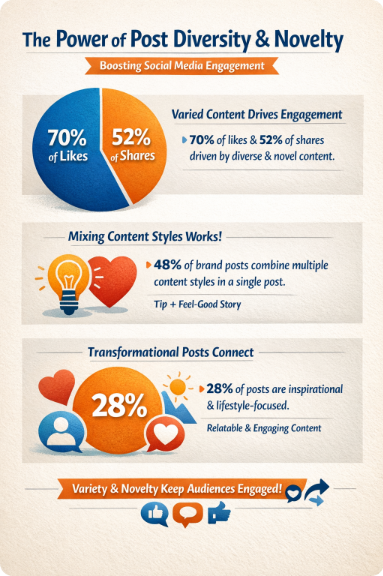
But reacting to a trend is not enough on its own. The brands that are standing out are not the ones copying headlines or rewording the news. They are the ones bringing a unique perspective. That is what turns a trending topic into brand-building content: a clear and identifiable point of view. Without that, content lacks audience impact. Viral content is about reacting to trending content with a hot take, informative research, or thoughtful insight. It’s about adding value rather than just relaying a trend. ‘Perspective-focused’ content is the gold standard in content marketing, and it means presenting a clear and consistent message over time. Audiences are attracted to opinions they can relate to, and trends they care about. Community owners that understand their audience and use perspective-focused tools like ContentEngine are seeing massive increases in the size of their social media followings, email lists, and site pageviews.

That shift is changing the role content plays in modern marketing. Brands are no longer just promoting products. They are building identity through commentary, analysis, curation, and timely reaction. In 2026, the companies gaining traction are the ones that understand that content is not a side project. It is the engine of audience growth. Reactive marketing has arrived because it gives brands a practical way to publish faster, stay culturally relevant, and show audiences not just what they sell, but how they think.
Marketing Strategies That Work In 2026
As reactive marketing has gained ground in 2026, one thing has become clear: posting around trends is not enough by itself. To turn attention into meaningful business results, brands need a structure. Reactive marketing campaigns have three pillars which form the base of that structure: Web Content, Social Media, and Email Marketing. The strategy is built around a simple idea. Start with a timely reaction to a relevant trend, publish it where your brand has the most depth, amplify it where attention is broadest, and then use your best-performing content to deepen the relationship with your audience.
The first pillar is web content, and it is the foundation of the whole system. Your website is still the place where your brand has the most control, the most room to express its identity, and the strongest conversion opportunities. A blog, newsletter archive, or resource section gives brands a place to publish fast reactions to trending stories while also embedding product links, offers, calls to action, and other conversion elements. Just as importantly, web content is where brands can fully express their point of view. A short social post can spark interest, but a proper article explains why a trend matters and what the brand actually thinks about it.
The second pillar is social media. Once the core idea is published on-site, the next step is to distill it into a sharp, concise perspective that works in a social feed. Social media rewards clarity, consistency, and distinctiveness. Brands that grow are the ones that post regularly, react quickly, and develop a recognizable worldview over time. In this funnel, social is not the whole strategy. It is the distribution layer that brings people back to the deeper content living on the brand’s own platform.
The third pillar is email marketing, which acts as the retention and conversion layer. After a brand has published content and learned what resonates, email gives it a way to keep the best material in circulation and deliver it directly to the people most likely to care. Email allows brands to feature top-performing articles, segment audiences, and align follow-up messaging with user interests and conversion goals. Put together, the three pillars create a practical 2026 strategy: publish timely content on-site, use social to expand reach, and use email to turn engagement into an ongoing audience relationship.
Level up your Marketing in 2026
That’s exactly what ContentEngine is built to do.
With real-time event monitoring, AI supported AutoDraft, and a workflow designed for marketers, ContentEngine helps you turn trending stories into content your audience actually cares about. Not generic posts. Not recycled headlines. Real content with a point of view.
Content is the path to growth in 2026, and ContentEngine is how you