Small Businesses Can Win Major Events by Reacting Locally, Not Spending Bigger

How small businesses can use speed, local knowledge, and community connections to capture attention during major events.

Author: Paul Rigden
Posted: July 30, 2026
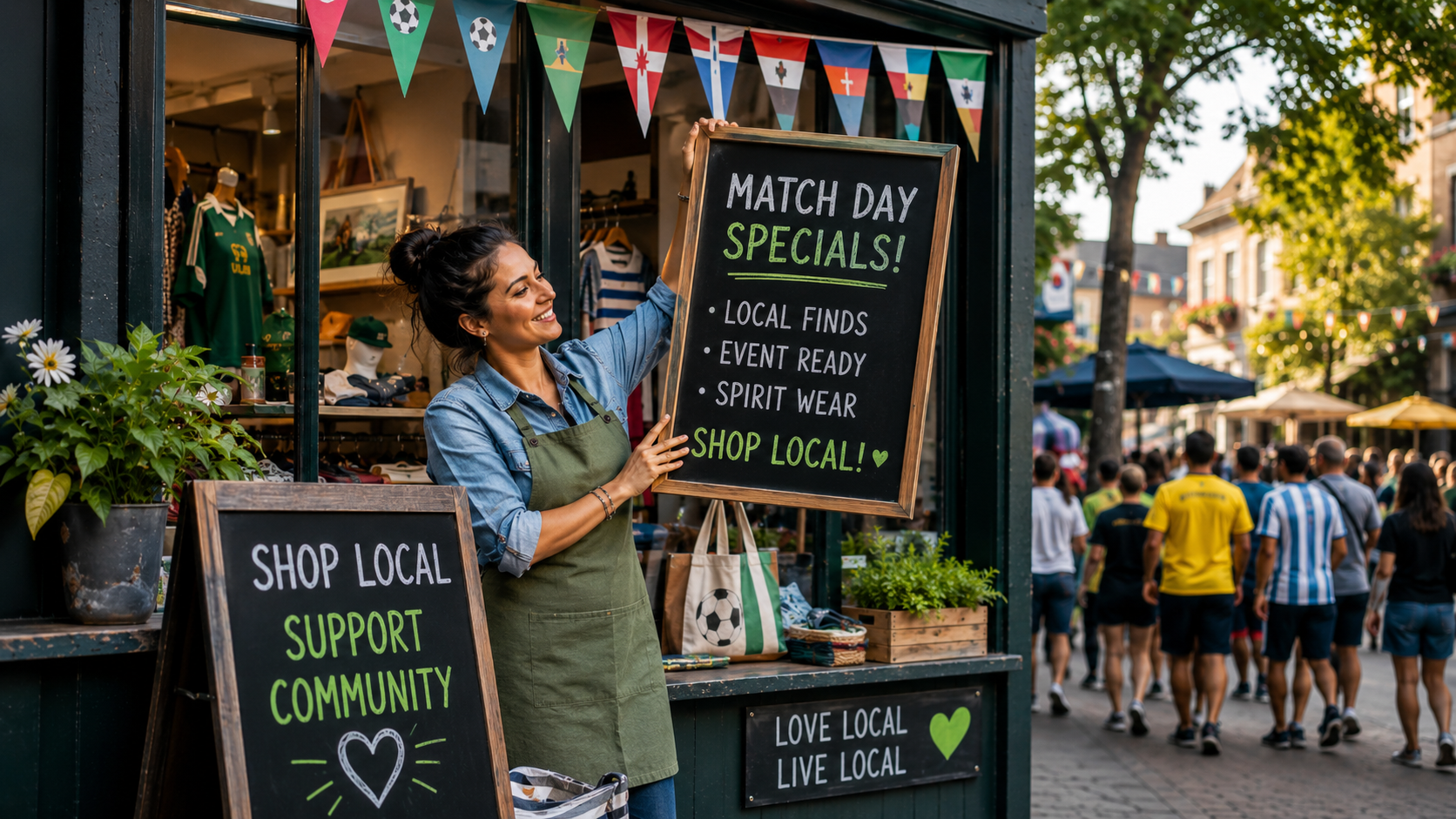
Local retail store promoting match day specials during a major sporting event

Major events like the World Cup bring a tidal wave of attention and opportunity. While large brands dominate with massive advertising budgets and sponsorships, small businesses can carve out their own success by leveraging their unique strengths: speed, local insight, and personalized service. The key? Reacting quickly and strategically to local conversations and visitor needs rather than trying to outspend the big players.

Focus on Agility and Local Relevance

Large corporations often struggle with slow decision-making and rigid procedures, but small businesses can pivot instantly. This agility allows timely responses to trending topics and local moments tied to the event. For instance, a café near a World Cup viewing venue might offer themed menu specials or watch parties with local flavor. Such localized, authentic experiences resonate well with visitors and locals alike, creating genuine connections that big brands might miss.

Own Your Niche and Customer Relationships

Instead of competing on broad appeal, small businesses should identify and own niche markets. Bringing a deep understanding of your community and customers allows you to tailor offerings and marketing messages effectively. Personalized communication — answering social media messages personally, customized promotions, or small giveaways — builds loyalty and encourages word-of-mouth recommendations. This human touch outshines the impersonal approach of large corporations during high-traffic events.

Use Digital Tools Wisely

While budgets may be smaller, small businesses can leverage affordable digital tools to enhance visibility and efficiency. Optimizing your local search presence ensures you show up when visitors search for nearby options. Tools like Google My Business, localized social media campaigns, and partnerships with micro-influencers help reach targeted audiences authentically. Plus, adopting automation and e-commerce platforms can streamline operations and handle increased event-driven demand smoothly without overextending resources.

Collaborate with Local Partners

Forming alliances with other local businesses can amplify your reach without the need for large expenditures. Joint events, bundled offers, or cross-promotions introduce your brand to new customers and share marketing costs. The World Cup or similar events often come with local readiness programs or toolkits designed to support small businesses — tapping into these resources can provide tailored guidance, training, and connections.

Sources

Frequently Asked Questions

What unique strategies can small businesses implement to build community connections?
Small businesses can build community connections by first fostering a strong internal community aligned with their values and then actively engaging with local partners through events, networking, and participation in community activities. Hosting purposeful gatherings, both virtual and physical, creates shared experiences around common interests, while consistent support of other local businesses and showing up before making pitches solidifies trust. Additionally, leveraging customer inspiration for marketing and rewarding engagement can nurture brand loyalty and deepen community ties.
What overarching marketing trends do large events like the World Cup reveal that small businesses can learn from?
Large events like the World Cup reveal that successful marketing hinges on brands becoming integral symbols within culture rather than merely interrupting it. Small businesses can learn to engage meaningfully with the event's audience through authentic, easily accessible content that encourages interaction, as many consumers report that such connections influence their purchasing behavior. Additionally, careful digital and influencer strategies, even without official sponsorship, can leverage increased customer traffic and revenue opportunities during these events.
How should small business owners adjust their product offerings to align with World Cup themes or customer interests?
Small business owners can align their product offerings with World Cup themes by introducing limited-edition items such as hats, hoodies, and mugs that resonate with customers' interests. Offering World Cup specials, discounts, or bundles creates urgency and a compelling reason for customers to choose their business. It's important to make connections between the World Cup and products naturally, build community engagement, and tell stories rather than just listing features to deepen customer loyalty.
How can small business owners collaborate with local communities or events during the World Cup to drive foot traffic?
Small business owners can drive foot traffic during the World Cup by collaborating with local events and community organizations to host themed events, offer packaged fan goods, or participate in rewards programs for visitors checking in at participating locations. They can also engage in cross-promotions and targeted marketing, update their online profiles with relevant tags like "watch party," and organize pop-up shops or sidewalk sales during downtown events to attract attendees.
What specific strategies can small business owners implement to stand out during the World Cup compared to larger brands?
Small business owners can stand out during the World Cup by focusing on local culture and community engagement, such as turning matches into branded community events. They should leverage their agility to build genuine relationships and offer personalized customer experiences that larger brands cannot easily match. Instead of competing on price, emphasizing unique value through exceptional service and experiential marketing helps small businesses differentiate themselves effectively.
What are the unique challenges small businesses face during large global events like the World Cup?
Small businesses face unique challenges during large global events like the World Cup, including limited ability to legally market themselves due to strict trademark controls by FIFA and financial constraints such as lack of funds and access to credit. Additionally, they must navigate increased risks from crowds, travel disruptions, and scams, while attempting to capitalize on heightened local consumer spending during the festivities.
Are there any examples of small businesses successfully competing against larger brands during major events?
Yes, small businesses have successfully competed against larger brands during major events by carving out prosperous niches and leveraging sustainable competitive advantages. For instance, micro and small craft beer companies have thrived alongside established global brands by focusing on unique market segments. Similarly, startups like KIND Snacks entered oversaturated markets and became profitable by differentiating themselves and targeting specific consumer needs.
What types of promotions should small businesses consider during the events like the World Cup?
Small businesses should consider promotions that leverage local culture and community engagement, such as hosting watch events and creating limited-time offers themed around the event. Simple discounts, bundles, or event specials can also attract visitors and help businesses stand out during the event.

ContentEngine is the world's #1 Reactive Marketing platform

Discover why turning trending events into engaging marketing 

content is becoming an industry standard, and how you can 

join the reactive

marketing revolution!