OpenAI's Ad Ambitions Foreshadow a Sea Change in Marketing
OpenAI has officially declared itself a major player in the advertising business, signaling a transformative shift for digital marketing.

|
Posted: June 29, 2026 |
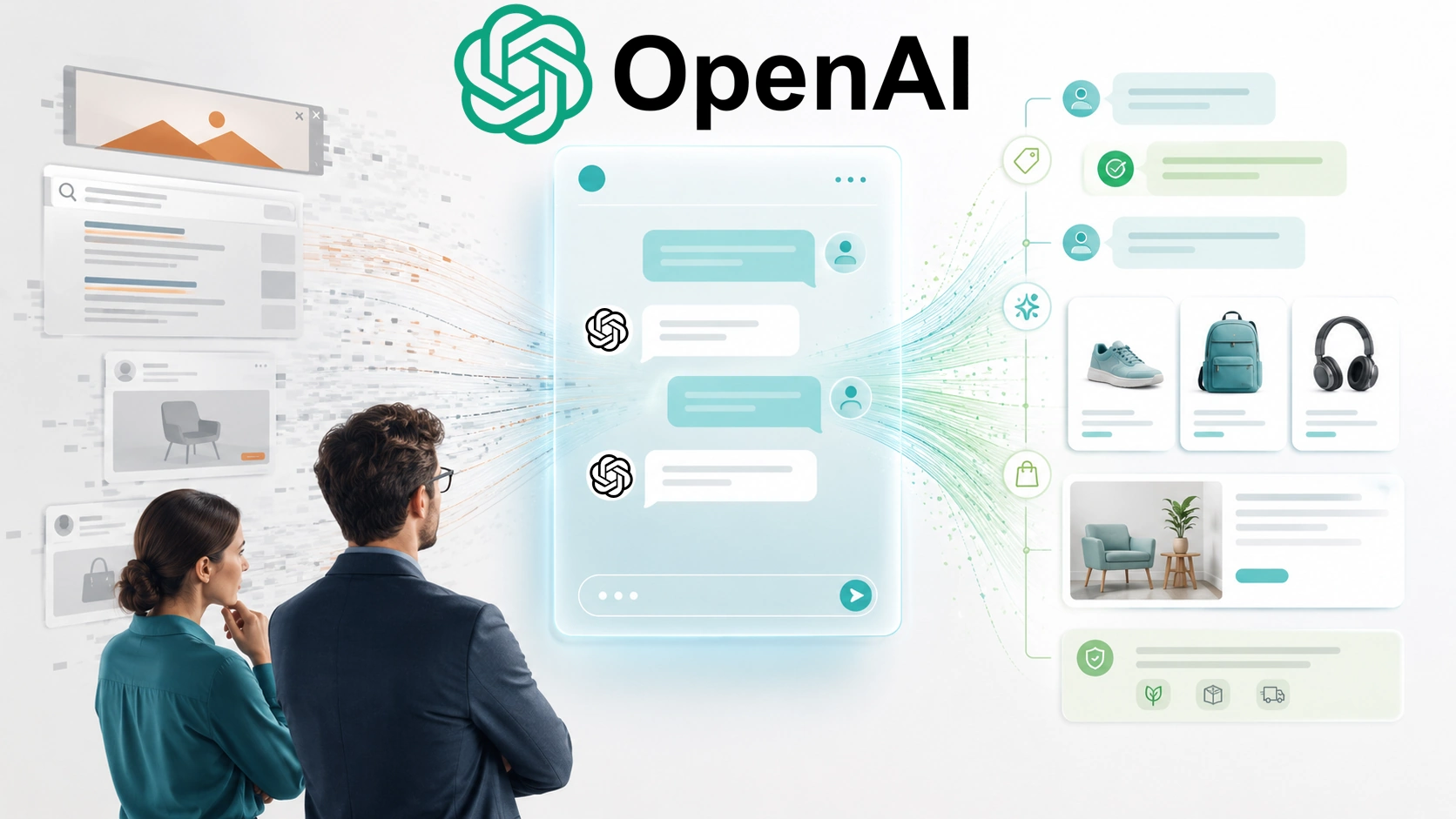
OpenAI is officially moving into the advertising space, a shift that could upend how digital marketing works. At the Cannes Lions festival, Chief Revenue Officer Denise Dresser announced that the company wants to move advertising away from a traditional "awareness economy" and into an "intelligence economy." This sets OpenAI up to directly compete with tech giants like Google and Meta, whose ad networks have long dominated the internet.
Instead of just slapping banner ads inside ChatGPT, OpenAI plans to embed promotional content directly into conversations, tailoring it to what a user is actively looking for. In early tests, OpenAI reported that the number of users dismissing ads dropped by 50%. That suggests users might actually accept ads if they feel less like an interruption and more like a helpful suggestion.
The Dawn of an Intelligence Economy in Marketing
OpenAI’s vision unleashes the power of AI not just to serve ads but to transition marketers from relying on broad awareness campaigns into precision-targeted, context-driven engagement. Unlike traditional banner or search ads that prioritize visibility, the intelligence economy leverages real-time data processing, natural language understanding, and personalization algorithms to create advertisements that converse naturally with consumers. This emerging paradigm promises a marketing approach where creatives and messaging are dynamically shaped around personal preferences and intent, resulting in seamless, highly relevant advertising experiences.
This transition is monumental. For decades, marketers have navigated the awareness economy, pouring budgets into generating as much eyeball exposure as possible. However, AI’s ability to embed advertising within interactive conversations and highly customized user journeys recalibrates the very foundations of brand communication. Brands can now intimately understand and anticipate consumer desires, providing offers or recommending products precisely when the intent is highest, thus boosting conversion rates and reducing wasted spend.
Shifting from Exposure to Context
For decades, digital marketing has been a numbers game: get as many eyeballs on a banner or search result as possible. OpenAI’s approach relies on natural language processing to match ads with a user's intent in real time. Rather than blasting out a broad campaign, brands can pitch products exactly when a consumer is showing high interest, potentially increasing conversion rates and cutting down on wasted ad spend.
This move is already sending ripples through the market. While OpenAI is private, derivative investment products tied to its growth have seen a lot of volatility. Meanwhile, tech incumbents aren't sitting still. Google and Meta have spent years adding AI tools to their existing platforms, largely to counter privacy changes like Apple’s tracking restrictions. But OpenAI’s advantage is that it is building an AI-native ad system from scratch, which could pull billions of dollars away from traditional search and social feeds.
A New Playbook for Creative Agencies
An AI-driven ad market will also change how ads are made. Instead of running static images or pre-written text, campaigns will likely become fluid, changing on the fly based on how a user responds.
This means marketing agencies will have to change their skill sets. Instead of just designing fixed campaigns, advertisers will act more like curators, managing systems that can pump out millions of personalized variations at scale. OpenAI is already trying to bring major agencies on board to figure out how this new model will work.
The Trust and Privacy Problem
The biggest hurdle for OpenAI will be keeping user trust. The company insists that ads won't compromise the neutrality or helpfulness of ChatGPT's answers. They have promised transparency, letting users see exactly why they are being targeted and allowing them to opt out or dismiss ads easily.
Balancing monetization with a clean user experience is a tough act. If OpenAI pulls it off, ads might feel less invasive. If they fail, they risk alienating the core user base that made ChatGPT a hit in the first place.
What Comes Next
With OpenAI eyeing a potential ad revenue target of up to $100 billion, the advertising industry is going to have to adapt. It won't happen overnight, but the push toward conversational, data-driven ads is clearly underway. For brands, staying competitive will mean figuring out how to work with these platforms early. For users, it means the line between looking for information and being sold a product is about to get a lot blurrier.
Sources
- nextword.substack.com - OpenAI's Ad Business Is Misunderstood - Enterprise AI Trends
- openai.com - Our approach to advertising and expanding access to ChatGPT
- egcgroup.com - OpenAI Opening Up to Advertising - EGC Group
- investing.com - How OpenAI Ads will impact competitors like Google and ...
- cnbc.com - OpenAI to begin testing ads on ChatGPT in the U.S.
- tradealgo.com - OpenAI Plans Targeted Advertising Tests in ChatGPT to ...