Navigating Trends Requires Bold, Reactive Marketing Strategies
The traditional marketing calendar, once a sacred document of quarterly certainty, has been shredded by the rapid-fire demands of a digital-first consumer base.

|
Posted: July 31, 2026 |
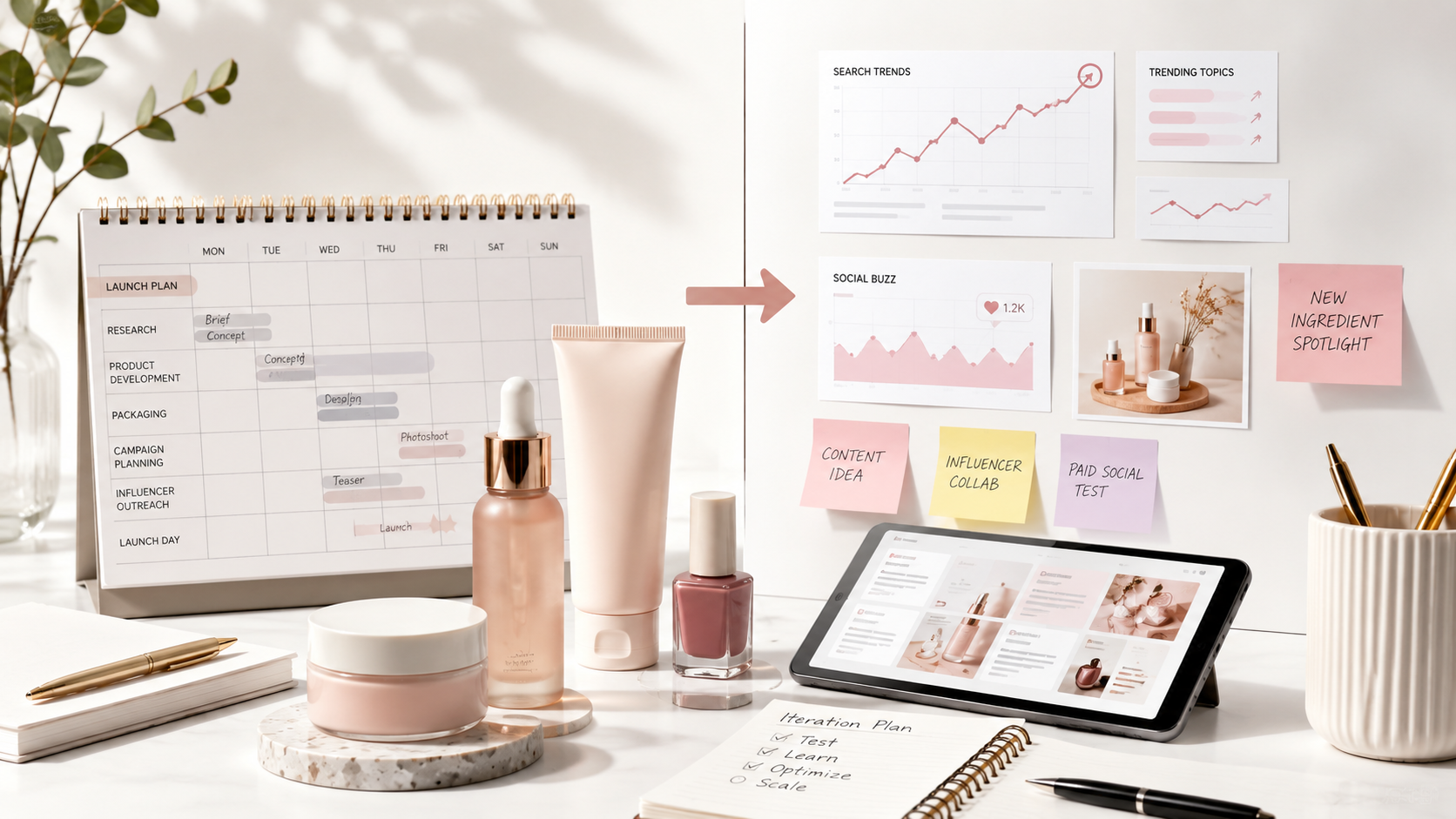
Marketing consultancies such as Understory often recommend a three-phase launch process: pre-launch, launch, and post-launch. These frameworks can dedicate three to six months to strategy, positioning, and asset development before the product reaches the market. In the context of a SaaS product or a heavy industrial tool, this level of caution might be warranted. However, in the beauty sector, a six-month delay is effectively an eternity. By the time the positioning and launch assets are finished, the trend may already have moved on.
A brand that adheres to a rigid six-week timeline for a landing page draft and a five-week timeline for video storyboarding risks arriving at a party that has already ended. Some of what gets dismissed as marketing chaos is simply the mess that comes with operating at the speed of an audience. Reactive marketing allows a brand to bypass the stagnation of over-analysis, moving directly into the market to gather real-world data that no amount of pre-launch research can simulate.
Agile Methodology as a Survival Mechanism
Agile marketing, often contrasted with traditional waterfall project management, is the only logical response to the 2026 beauty landscape. Principles of agile development, such as those used by Fenty Beauty in its digital transformation, focus on rapid iteration and responsiveness. Instead of treating the launch as one fixed event, agile teams work in shorter sprints and adjust based on customer response.
Transparency as a Moving Target
A launch plan built around last year's expectations may already be outdated by the time the campaign goes live. Reactive brands maintain a constant feedback loop with their audience. They listen to social media chatter, monitor real-time search trends, and adjust their messaging daily. A staggered asset schedule may prevent production delays, but it doesn't help if the message is already out of date.
The Over-Research Trap and the Power of Intuition
Traditional launch frameworks warn that an unclear audience wastes time, budget, and momentum. Some recommend 10-15 customer interviews and the creation of detailed Ideal Customer Profiles (ICPs) covering firmographics, technographics, and psychographics. Research stops helping when teams keep collecting evidence to avoid making a decision.
Embracing the Pivot in a Value-Conscious World
As consumers pay closer attention to value, brands face more pressure to justify what they charge. This value-consciousness does not mean consumers are only buying cheap products; rather, they are looking for a return on their investment, whether that is a budget-friendly cleanser or a luxury premium experience.
This split in the market requires a brand to be able to pivot its positioning at a moment's notice. If a premium product is not gaining traction because consumers are shifting toward value, a reactive marketing team can quickly emphasize the "cost-per-use" or the long-term skincare benefits to justify the price. A meticulous plan, however, might have all its assets tied to a "luxury and exclusivity" narrative that no longer resonates. Strong marketing teams use the initial response to a launch to adjust the positioning, rather than forcing the original campaign to run unchanged. Post-launch measurement should help teams decide what to change, not simply confirm whether the original 90-day targets were met.
Sources
- mckinsey.com - State of Beauty industry trends 2026
- productmarketingalliance.com - How to launch a product: Your complete guide
- understoryagency.com - How to Create a Product Launch Marketing Plan | Understory
- zigpoll.com - Why Agile Methodology Marketing Is Essential for Your WooCommerce Beauty Brand
- medium.com - Fenty Beauty's Digital Transformation through Agile Methodologies
- mckinsey.com - Agile marketing: A step-by-step guide
- agilemarketingmanifesto.org - The Agile Marketing Manifesto