
Is AI Slop the End of User Generated Content?
In recent times, there has been rising concern about the overwhelming presence of low-quality, AI-generated content on social media platforms.

|
Posted: June 20, 2026 |
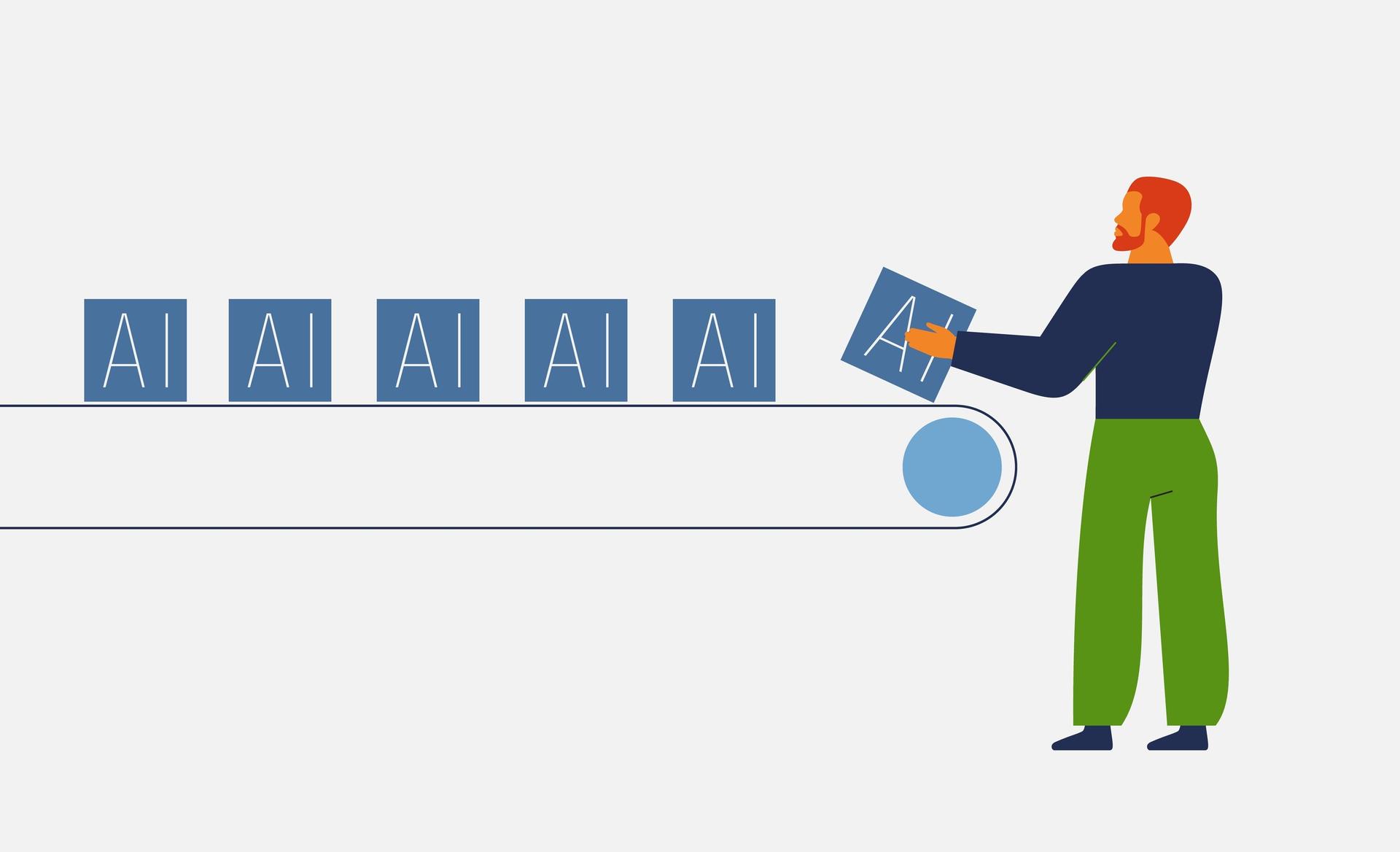
A glaring example of this phenomenon is TikTok, where a recent report by the video editing company Kapwing revealed that nearly 60 percent of the videos served to new users on the platform’s "For You" page consist of what has been dubbed "AI slop"—low-effort, often nonsensical AI-generated videos TikTok Has Been Completely Taken Over by AI Slop. This surge in AI slop has raised fears about the future of user-generated content and the potential dilution of authentic human creativity on social media. However, evaluating the situation requires looking beyond immediate reactions to uncover the deeper, more nuanced realities behind AI content proliferation.
The Historical Presence of Low-Quality Content in Media
Concerns about “slop” content are not unique to AI or digital media, nor are they a new problem for social platforms. For as long as there has been media—whether print, television, radio, or the internet—there has been low-quality, superficial content. The challenge of balancing entertainment, engagement, and depth is nothing new. The arrival of AI has amplified the volume and speed at which content is created, but it has not introduced the underlying phenomenon of slop.
Content creation has always existed on a spectrum. Human creators produce everything from detailed investigative journalism and in-depth essays to clickbait and trivial posts. Much like traditional media where tabloids and sensationalism exist alongside rigorous news, social media sees the same variety. AI is simply a tool, and like any tool, its influence depends largely on how it is wielded. When creators lack meaningful ideas or originality, they may turn to AI to churn out quick, shallow content, fueling what critics label as AI slop. But that does not mean AI is inherently responsible for low-quality content—rather, it is magnifying patterns that have long existed.
The Demand for Superficial Content and User Preferences
One critical aspect that is often overlooked in the conversation about AI slop is demand. Why does so much superficial or low-effort content find its way to the surface? It is because there is genuine consumer appetite for easily digestible, entertaining, or frivolous media. On platforms like TikTok, short, entertaining videos often attract more engagement, driving algorithms to promote similar content. The algorithmic eye turns quickly to that content which keeps users watching—regardless of depth or quality.
This creates a feedback loop: users who engage with AI-generated or shallow content signal the platform to serve more of it. Particularly troubling, as the Kapwing report highlights, is that the category with the highest density of AI slop on TikTok is kids’ content, where the hashtag #cartoonkids showed an overwhelming predominance of AI-generated videos. This raises important questions about the effects on younger, impressionable audiences exposed to this low-quality digital environment. But it also underscores that the root problem is not just the technology but a marketplace shaped by consumer behavior and algorithmic incentives.
AI as an Amplifier and a Creator of Quality Content
The reaction to AI slop often paints AI as a destructive force—an agent diluting authenticity and human creativity. Yet, it can just as easily be a powerful amplifying tool for creators who bring value and insight. AI can help with ideation, automate labor-intensive tasks, and even assist in crafting high-quality, well-researched content.
When creators have robust ideas and genuine expertise, AI becomes an asset that enhances creativity and productivity. For example, AI tools can help generate draft articles, summarize complex information, or create engaging visuals that complement quality narratives. The problem arises when creators rely on AI as a crutch, using it to mass-produce shallow content without original thought. In this context, the blame lies not with the technology but with how creators choose to leverage it and how consumers shape the ecosystem.
Challenges for Platforms and the Complexity of Moderation
Social media platforms face a daunting challenge in managing AI-generated content at scale. Efforts by TikTok to allow users to modify how much AI content they see in their feeds and YouTube’s introduction of AI content labeling are early steps toward moderating the influx of both beneficial and detrimental AI outputs. However, discerning between valuable AI-generated media and AI slop is increasingly difficult as the technology advances. Deepfakes, photorealistic manipulations, and absurd AI videos blur the lines of reality and poison the information landscape, complicating moderation and user trust.
Technology experts point out that even leading deepfake specialists find it difficult to distinguish authenticity with the naked eye, illustrating the limitations platforms face. Tackling the problem demands a mix of technological innovations, user education, and stricter policies—none of which promise simple or immediate solutions. Ultimately, platforms must balance openness and creativity with responsibility to foster meaningful engagement without sacrificing quality.
The Role of Creators and Consumers in Shaping Content Quality
The widespread discourse around AI slop shines a light on a fundamental truth: content quality depends on both creators and consumers. AI tools can neither replace original thought nor force consumers to value depth and substance. If creators are unwilling to invest effort, thoughtfulness, and authenticity, AI will only amplify an existing vacuum. Meanwhile, if consumers prioritize quick entertainment and superficial engagement, algorithms will continue feeding that demand.
Educating users—especially younger audiences—on media literacy, critical thinking, and the nuances of AI-generated content is essential. Encouraging creators to embrace AI as a facilitator, rather than a shortcut, could help elevate the overall quality of user-generated media. This symbiotic relationship between creators, consumers, and platforms will ultimately determine whether AI slop is a passing phase or a lasting shift in digital culture.
Looking Beyond the Panic: Embracing AI’s Potential Responsibly
Fears over AI slop, while valid in many respects, should not overshadow the potential AI holds for enhancing creativity, communication, and knowledge sharing. AI is a neutral technology—neither inherently good nor bad. Its impact depends on human choices and societal values.
Rather than condemning AI as the villain behind social media’s overflow of low-quality content, it is more constructive to focus on how to harness it responsibly, setting expectations for creators, refining algorithms, and cultivating an informed audience. By recognizing that slop content has always existed and that AI simply amplifies existing content dynamics, stakeholders can develop measured approaches that foster innovation without compromising integrity.
In essence, the question is not whether AI slop marks the end of user-generated content, but how the digital community chooses to negotiate AI’s growing role in shaping the media environment going forward.
Sources
- BBC News - TikTok scales back AI-generated video overviews after absurd errors
- TechBuzz.ai - TikTok rows back AI video descriptions in US after absurd errors
- KPMG International - Deepfake threats to companies - KPMG International
- UNESCO - Deepfakes and the crisis of knowing - UNESCO
- CPI OpenFox - Deepfakes and Their Impact on Society - CPI OpenFox