Instacart's New AI Play: A Case of Greed Winning Out Over User Trust?
Shoppable videos and AI bots might boost the bottom line, but jamming a social media feed into a grocery app could cost Instacart its most loyal users.

|
Posted: July 2, 2026 |
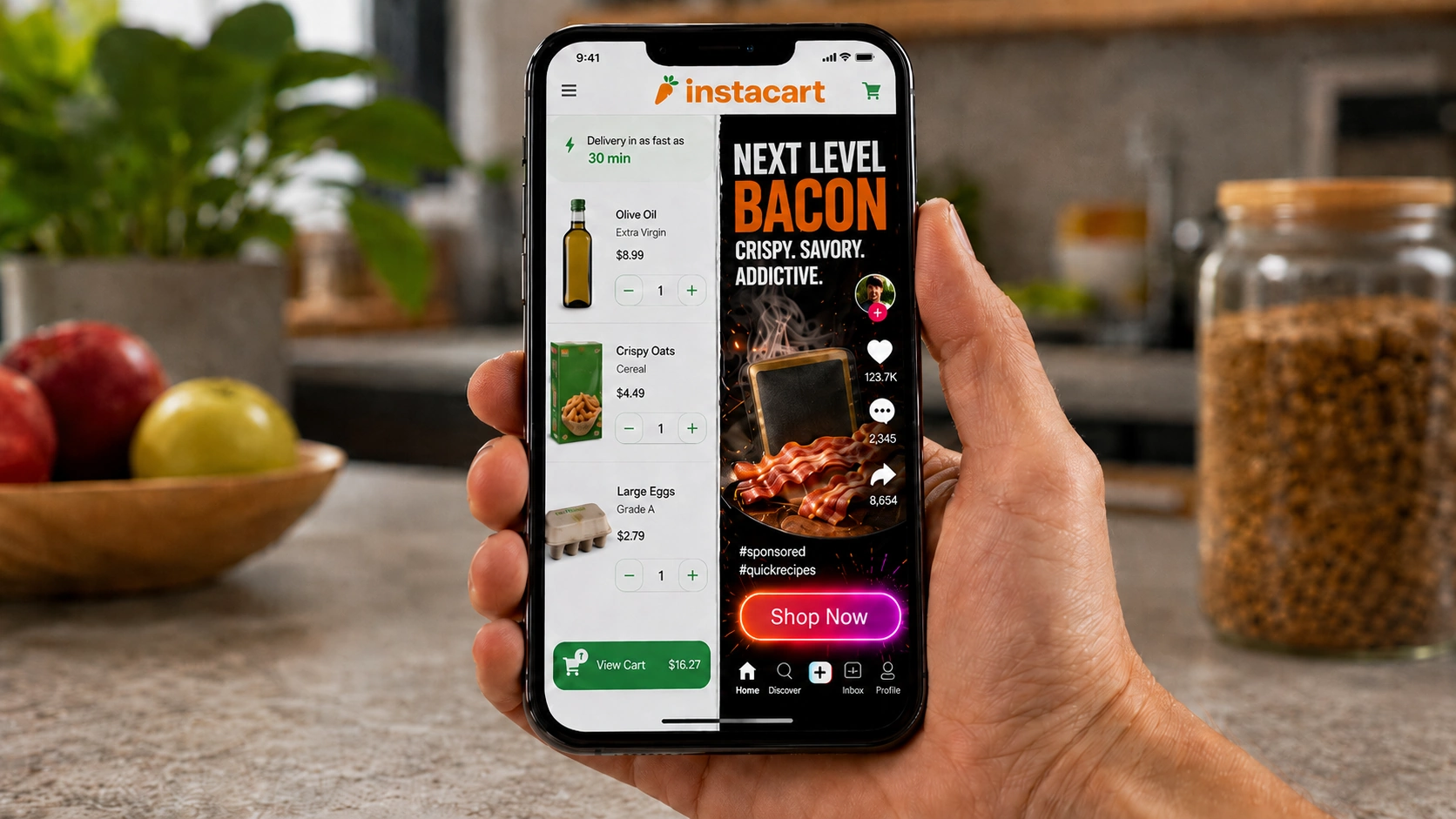
Instacart's pushing hard into advertising. As highlighted in a recent deep-dive by ContentGrip, the company recently rolled out shoppable video ads and an AI shopping assistant, but these features are raising big questions about user trust. The delivery giant's adding a TikTok-style feed right into its app, plus an AI helper that might soon push ads. It's a clear pivot: Instacart wants to be an ad powerhouse, not just a grocery delivery service.
The goal here is obvious. Instacart wants you spending more time and money in the app. But jamming social media-style ads into a tool people use for quick errands might ruin what makes the platform great in the first place: convenience. Sure, they've got the data to make these ads hyper-targeted, but turning a simple grocery run into a scrolling video binge might just feel like a heavy-handed cash grab to loyal users.
This new "Immersive Feed" lets users scroll through vertical videos that end with an add-to-cart button. Brands like Hellmann's and Rachael Ray Nutrish are already testing it out. Then there's the AI assistant. It's supposed to help you with things like gluten-free meal planning, but it's also set up to pitch you products while you chat. This creates a weird dynamic between what Instacart wants to sell and what users actually want to experience.
The Risk of Ad Overload
Retail networks everywhere are trying to move past standard banner ads, and Instacart's no exception. It makes sense for their bottom line; their ad revenue jumped 16% to $286 million in the first quarter alone. But there's a huge difference between TikTok and a grocery app.
People open social media to kill time and be entertained. They open Instacart because they need groceries delivered fast. Every user on the platform is actively building a cart, meaning commercial intent is already sky-high. Shoving snackable video content into a purely transactional utility app risks ruining the user experience in a few key ways:
- Visual Overload: If a simple search for chicken breasts turns into an endless scroll of branded recipe videos, the app becomes a chore to use.
- Slower Checkout: The whole point of delivery is speed. Forcing users to dodge video ads to finish their weekly shop just adds unnecessary friction.
- Blurred Lines: Instacart plans to mix organic creator content with these paid brand integrations. This blurs the line between helpful inspiration and sneaky advertising, which can easily frustrate shoppers.
Push users too hard to buy, and they'll just close the app and find an easier way to do their shopping.
The Problem with AI Shopping Assistants
The AI assistant's pitched as a way to solve problems. You tell it you need a dinner idea, and it builds a list. But adding ads into that mix changes things entirely. It moves retail ads away from simple product searches and into the territory of user intent and discovery. If done right, brands get in front of shoppers right as they plan their week.
But doing it right is tough. Chatting with an AI feels private. If the bot suddenly starts acting like a pushy car salesman, it's going to feel intrusive. Instacart says they're being careful and listening to user feedback before turning up the ad volume. Still, if users sense the AI is just pushing sponsored garbage instead of giving helpful, unbiased advice, trust will vanish fast.
A New Headache for Brands?
Instacart isn't just launching new ad spaces; they're trying to fundamentally change how brands create them. They recently launched "Ads Studio" to help brands build these campaigns using first-party data, aiming to bring advertisers into the planning process much earlier.
The idea's to make Instacart a full-funnel marketing partner rather than just a place to buy digital display ads. That sounds great in a press release, but logistically, it's a massive headache for marketing teams. Here's why:
- Relentless Production: Brands now have to churn out 15-second vertical videos, custom recipe assets, and mobile-optimized campaigns specifically formatted for a grocery app.
- Internal Friction: This setup requires tight alignment across brand, shopper, and retail media teams. These groups usually operate in silos and don't always move at the same speed.
- The Squeeze on Small Businesses: Massive legacy brands with deep pockets might handle this transition seamlessly. But smaller companies without the budget or resources for constant, high-volume video production might just get left in the dust.
Will the Gamble Pay Off?
Instacart's betting big on video and AI, and they claim they're keeping a close eye on the ad load. But the main question stands: will turning a fast, transactional app into a social media clone actually make customers happy?
For users who just want to buy their eggs and get out, these features feel like serious overkill. Brands might love the new ways to reach shoppers, but Instacart has to walk a very thin line. If they expand the ad experience so much that they ruin the app's basic utility, they'll lose the customer loyalty that built the company in the first place.
Sources
- Marketing Dive - How Instacart is cultivating full-funnel marketing with video, AI
- PR Newswire - Instacart Introduces New Shoppable Vertical Video Feed ...
- Instacart Company Site - Shoppable video ads
- ContentGrip - Instacart expands retail media beyond performance with shoppable video and AI