Disney's TikTok Strategy Risks Turning Fan Culture Into Just Another Marketing Channel
Disney's new TikTok partnership formalizes fan creativity, but that structure might come at the cost of what made user-generated content feel authentic in the first place.
|
Posted: August 10, 2026 |
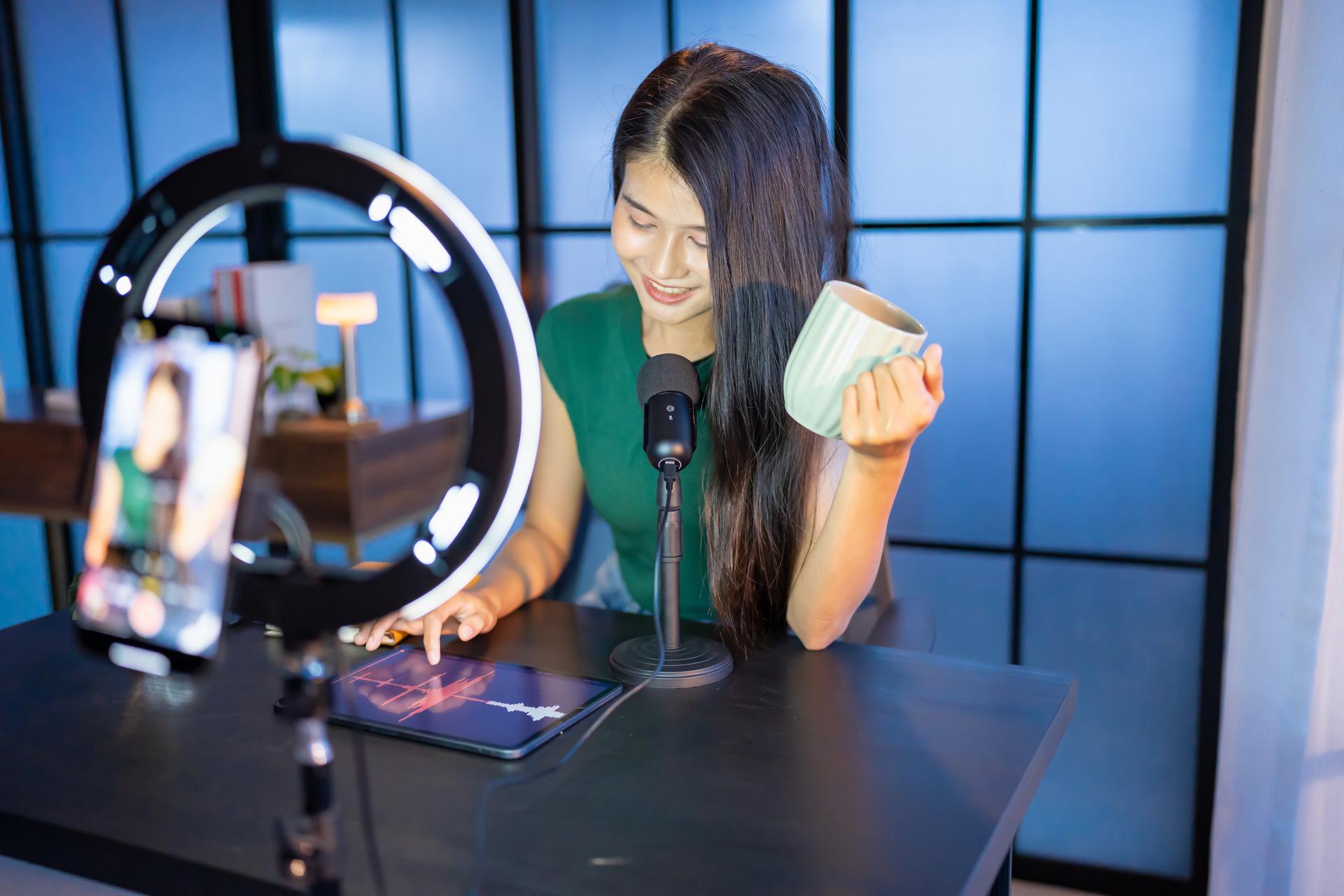
Disney and TikTok recently announced a global partnership that gives select creators access to assets from hundreds of Disney films and shows. Those creators can produce short-form videos for TikTok, and some of that content will migrate to Disney+, appearing in Verts, the streaming service's vertical video feed. The companies are also launching the Disney Creator Ambassador Program, which promises top creators enhanced visibility, exclusive event access, and career development opportunities.
On paper, it's an elegant move. Disney gets a steady stream of fan content that keeps its franchises circulating online. Creators get official access to IP they've been working with informally for years. TikTok strengthens its relationship with one of entertainment's biggest IP holders. And Disney+ gains a new content layer that might keep subscribers scrolling longer.
But the deal also raises a question Disney might not want to answer too closely: what happens to fan culture when the studio turns it into infrastructure?
Fan Content Worked Because It Wasn't Managed
Fans have been making unofficial content around Disney properties for decades. Edits, memes, theories, reactions, video essays, cosplay clips-none of it required permission, and most of it didn't ask for approval. That distance from the brand was part of what gave fan content its energy. It was made by people who cared about the stories, not because a marketing team needed reach during a product launch.
That kind of creativity doesn't scale neatly, and it doesn't always align with what a brand wants to project. But it's also more believable than anything a studio produces in-house. When someone makes a TikTok about a Marvel character because they're genuinely excited, that registers differently than when the same person is given assets, a content brief, and a path toward becoming an official ambassador.
Disney's partnership changes the context around that work. Creators who opt into the program aren't just making fan content anymore. They're participating in a formal relationship with the brand. Their videos might appear on Disney+, which means they'll be reviewed and curated. They might receive rewards, visibility boosts, or invitations to exclusive events. All of that comes with an implicit expectation: create the kind of content Disney wants to see more of.
That's not necessarily bad for Disney, but it does shift what fan creativity means. It stops being purely self-directed expression and starts looking more like managed promotion.
The Ambassador Program Makes the Trade-Off Clear
The Disney Creator Ambassador Program is where the deal's tension becomes most obvious. According to the announcement, the program operates on a tiered system. Top-performing creators get increased visibility, special rewards, access to exclusive events, and career development pathways. Those are meaningful incentives, especially for creators trying to build sustainable careers.
But they also create a hierarchy. Some creators get access and recognition. Others don't. The ones who do will naturally be the ones whose content performs well within Disney's ecosystem and aligns with what the company wants to promote. That's how curation works, and Disney has every right to decide which videos appear on its platform.
The problem is that this structure changes the incentive landscape for everyone who creates around Disney IP. If you're a TikTok creator who regularly posts about Star Wars or Marvel, and you see that Disney is now offering official recognition and career support to select participants, that affects how you think about your own content. Do you lean into what you actually find interesting, or do you start shaping your work toward what might get picked up by the program?
Over time, that kind of dynamic can narrow the range of what fan content looks like. The stuff that gets elevated becomes the template. The messier, weirder, more critical takes start to feel less viable. And while Disney isn't forcing anyone to participate, the existence of the program creates a pull toward a version of fan culture that's more brand-safe and less unpredictable.
Turning Organic Activity Into a Content Pipeline
Disney's chief marketing and brand officer, Asad Ayaz, said that "the best storytellers are fans first." That's true, and it's also a convenient framing. Fans are great storytellers partly because they aren't trying to serve the brand's strategic goals. They're reacting, interpreting, critiquing, and celebrating in ways that reflect their own relationship with the material.
Disney's partnership doesn't eliminate that dynamic, but it does introduce a new layer. The company is taking something that was already happening-fan creativity on TikTok-and building formal infrastructure around it. Creators get access to official assets. Their videos can be featured on Disney+. The best performers get brought into an ambassador program.
That's not collaboration. It's integration.
The distinction matters because integration changes the power balance. When fan content exists outside the brand's direct control, fans set the terms. They decide what's worth talking about, what's funny, what's disappointing, and what's worth celebrating. When that activity gets routed through an official partnership, Disney gets to shape which versions of fan creativity are amplified and which aren't.
That's especially noticeable in the context of Disney+. Verts is a curated feed. Videos don't just appear there automatically. They're selected. That means someone at Disney is deciding which creator takes on Marvel, Pixar, or Star Wars fit the brand's standards. The result is a version of fan content that's been filtered for palatability.
That might make for a smoother user experience on Disney+, but it also flattens what fan culture actually looks like. The weird stuff, the critical stuff, the stuff that doesn't fit neatly into a brand-friendly narrative-that's less likely to make the cut.
The Risk of Making Everything Feel Like Promotion
One of the reasons fan content has been effective is that it doesn't feel like marketing. It feels like real people reacting to something they care about. That authenticity is what makes it shareable. It's also what makes it valuable to brands, even when-maybe especially when-it's not officially sanctioned.
Disney's partnership risks undermining that quality. When fan creativity becomes part of a formal marketing channel, it starts to carry the same associations as any other branded content. Audiences are already pretty good at distinguishing between organic enthusiasm and managed promotion. They notice when something that used to feel spontaneous starts to look coordinated.
That doesn't mean every creator who participates in the program will lose credibility. Some will navigate the relationship without compromising what made their content compelling in the first place. But the structure itself introduces friction. When viewers know that a creator's video might have been made using official Disney assets, reviewed by Disney's standards team, and selected to appear on Disney+, that context changes how they interpret the work.
It's not that the video is necessarily less genuine. It's that the relationship between the creator, the content, and the brand has become more complicated. And in that complication, some of the original value gets diluted.
What Happens When the Line Disappears
The long-term question isn't whether Disney's TikTok partnership will work. It probably will, at least by the metrics Disney cares about. The question is what happens to fan culture when the line between organic creativity and branded content becomes harder to see.
Fan communities have always existed in a complicated relationship with the media they're built around. They celebrate, critique, reinterpret, and sometimes outright reject what studios produce. That tension is part of what makes fandom interesting. It's also what makes fan content feel alive.
When studios start managing that activity more directly, they reduce the distance that made it valuable. They turn something that used to be a conversation into something that looks more like a content strategy. And while that might serve the brand's goals, it's not clear that it serves the community's.
Disney's partnership with TikTok is ambitious, well-structured, and probably smart from a business perspective. But it's also a bet that fan creativity can be formalized without losing what made it matter. That's a bet plenty of brands have made before, and the results have been mixed.
The risk isn't that Disney will stop people from making fan content. It's that by bringing that content into its own ecosystem, the company will change what fan content means-and in doing so, lose some of the authenticity that made it worth paying attention to in the first place.
Sources
- InfluencerMarketingHub - Disney-TikTok Partnership Turns Fan Creativity Into a Formal Marketing Channel
- The Walt Disney Company - The Walt Disney Company and TikTok Announce a First-of-its-Kind Global Deal
- Marketing Dive - Disney, TikTok Partner on Content Sharing as Creators Fuel Fandom
- TechCrunch - Disney+ Looks to TikTok Creators to Bring Fan Content to Its Short-Form Video Feed
- ABC7 News - Disney, TikTok Strike Deal to Let Creators Use Disney Characters in Videos
- Instagram - Disney Creator Ambassador Program launched in partnership with TikTok