
How the Future of Content Marketing is like a Mix Tape
‘AI slop’ is the new buzz term for low quality AI content, but does AI content have to suck? We don’t think so. Find out how to use language models to write while still leaving your creative fingerprint.
✒️ Paul Rigden

If you’re old enough to remember mix tapes or burned CDs, you probably remember how weirdly personal they felt. When you made a mix tape, it was a little like the entire creative enterprise became yours. I know I didn’t write or perform any of this music, but it took a genius like me to recognize its value, and arrange it in such a pleasing order. It sounds funny, but it's true. Selection can be as much an art as creation. In the ‘90s, everyone had a friend (or was the friend) who was known in their group for making the best mixes. Taste, style, and a sense of flow all heavily came into play. Arranging an ensemble of creative pieces takes creativity in and of itself, and back in the day if you had the peculiar talent of making a quality list of tracks, it was a talent you could really put to use.
Today, the concept behind generating quality writing with AI is the same. Prompting an AI to write an article on a subject without additional context isn’t much different from making a mix tape from random songs off the radio. You can do it, but the result won’t be a reflection of your sense of creativity, style, or opinion, and it probably won’t resonate as well with people who share your tastes and interests. AI slop isn’t a result of language models not being able to create good writing, it’s a result of language models not having a nuanced or consistent perspective. A person’s writing is a reflection of their point of view, which comes from a lifetime of lived experience. It’s deep, detailed, and just like with a mix tape, that all comes together to create a unique sound. That sound is your point of view, and it’s unique to you.
"
Good content needs to be more than just topical and accurate, it needs to engage readers with opinion and perspective.
Building an audience for your writing is all about taste. Not everyone is going to be into what you write, and that’s okay because you can’t win by trying to cater to everyone. As long as the writing you put out is a genuine reflection of your ideas, thoughts, and point of view, then there are going to be people like you out there who are interested. That’s really the problem with AI slop. People try to use it to not just to help them write content, but to generate a legitimate opinion, and it can’t. What it’s really good for is helping you write out your opinion. AI can help you develop a better and more informed opinion, and it can help you put your thoughts onto paper, but if you try to use it as a substitute for having nothing to say, then your content will come out as AI slop. It’s as simple as that.
Just like making a mix tape, you don’t have to be the one to actually write the content in order for it to have something to say.
The Reactive Marketing Philosophy
Reactive Marketing is content marketing that uses brand-relevant trending events to engage with audiences. Studies clearly show that there’s a growing trend of getting news and perspectives from social media - and equally that post diversity is huge driver of engagement in social feeds.
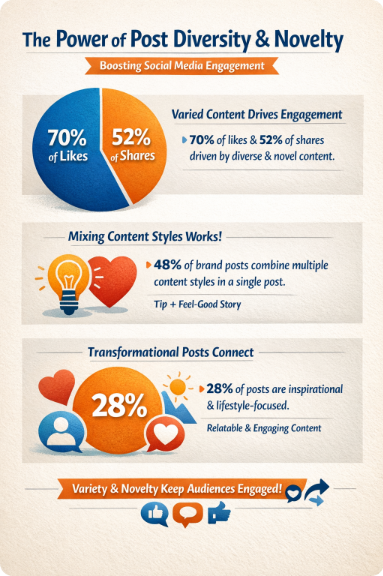
The fact is, approaching audience engagement for your brand simply through sales, product highlights and promotional offers isn’t enough anymore. To get people interested in what you have to say, you have to speak to the things that interest them. Most brands have a definable audience with defineable interests. Key into what matters to your users, and talk about that. Having a real opinion, and speaking your voice on the issues of the day is a very effective marketing tactic. If you’re a brand ambassador, you probably have deep insight into the perspectives and opinions relevant to your brand. Use that perspective to attract an audience that gets what your brand is about.
In addition to a unique perspective, reactive marketing also takes consistency. If you’re not regularly putting your thoughts out there, you can’t expect good results. Develop a process and stick to it. Whether that’s managing the news feeds, prompts, and design work needed to publish and market your content, or it’s using a streamlined reactive marketing platform like ContentEngine, the important thing is developing a process and sticking to it. In content marketing, just like anything else, showing up day after day is half the battle. Fortunately, the constant fresh mix of topics and trending events that’s inherently engrained in the reactive marketing model makes that grind a little easier as well. Every content marketer knows the pain of having to come up with new ideas for content, so turning that process into simply monitoring trending news makes it a lot easier to turn your website’s content portal into a reality.
Making It Happen
Reactive marketing is simple in theory: spot a brand-relevant trend and publish a reaction that your audience actually cares about. The hard part is turning that reaction into measurable outcomes. That’s where a funnel mindset helps. Instead of treating each trend as a one-off post, build a repeatable sequence across your website, social media, and email. Here’s the basics of what are called the 3 pillars of the reactive marketing funnel (or read more here):
1) Web content (ASAP): build the “home base” and capture intent.
Your website is the most immersive place you control, and it’s where conversions happen. When a trend emerges, publish a blog post, resource entry, or newsletter edition as quickly as you can, while the topic is still hot. But speed alone isn’t enough. The content needs a clear point of view, not a generic recap. Readers don’t want an AI-flavored rewrite of the news; they want perspective, meaning, and a stance they can relate to. Use AI tools to research fast—what’s being said, what the facts support, where your audience is likely to land—then add human judgment and a real opinion. If you can’t find a compelling angle after a short research sprint, move on; if you don’t care, your audience won’t either.
Treat every article like a landing page. Add internal links to product or service pages, relevant banners, and ideally an email signup or membership offer. The goal of web content in reactive marketing is to turn attention into an owned relationship, not just a spike in pageviews.
2) Social media: 24 – 72 hours after posting your web content
Social platforms reward clarity, speed, and consistency. Distill your web post into a sharp, skimmable “hot take” that gets the point across without burying the lead. Post consistently, both in frequency and worldview, so people know what your brand stands for. Then link back to the web post to convert shallow attention into deeper engagement.
3) Email: 3 – 14 days after posting your web content
After performance data comes in, feature your strongest pieces in newsletters or member updates, just like a “greatest hits” collection of what resonated most. With an email platform and basic analytics, you can scale and target: promote the most relevant offers and follow-ups to different segments, turning proven content into the deepest conversion layer of the funnel.
Next - Find Out The Best Ways For Content Marketers To Leverage AI, and What To Avoid
AI can be great at some tasks, and comically bad at others. Generating the best content means understanding how to play to AI’s strong points, while avoiding its pitfalls.