
Content Is the New Norm in Digital Marketing, Says WSJ Veteran
Brands are increasingly taking control of their narratives by hiring seasoned journalists and building in-house editorial teams, signaling a significant shift away from traditional media reliance.

Posted: April 27, 2026

A compelling new article details how Bourree Lam, a Wall Street Journal veteran, is ringing the bell that brands like AI powerhouse Anthropic, fintech startup Chime, and cloud communications giant Vonage are aggressively recruiting editorial talent to craft authentic, data-driven stories that resonate directly with their audiences rather than merely seeking media coverage. This new era, often dubbed 'brand journalism,' blurs the lines between content marketing and traditional journalism, marking a bold move in how companies engage with customers and prospects alike.
The Rise of Brand-Driven Editorial Teams
The trend toward brands hiring journalists represents a strategic evolution in marketing. Rather than relying on legacy media to amplify their stories, companies are assembling newsroom-style teams to produce original content that builds credibility and showcases expertise from within their own organizations.
This movement is partly fueled by the decimation of traditional newsrooms due to budget cuts, layoffs, and changing consumer habits, which have led to fewer journalists available in the market. Brands recognize this vacuum as an opportunity to attract top journalism talent who are seeking new avenues to tell impactful stories. For example, Mozilla Foundation’s launch of Nothing Personal, an editorial brand aimed at critical tech and privacy coverage, demonstrates how companies can merge journalistic rigor with brand values without being hostage to clicks or advertising algorithms.
The growing need for differentiated content in an era saturated with AI-generated material and SEO-driven “slop” also drives this hiring spree. Veteran journalists bring the nuanced storytelling and investigative skills necessary to cut through noise, ensuring content that not only informs but also builds trust and relevance.
"
brands now have the ability to create their own content rather than pitching stories to external media
Strategic Advantages of In-House Editorial Content
In their drive to hire journalists, companies are leveraging the power of their proprietary data and subject matter expertise to create content that no outside media outlet can replicate. This gives them a unique edge in fields ranging from technology to finance and consumer goods. As noted by Noah Greenberg, CEO of Stacker, brands now have the ability to "create their own content" rather than pitching stories to external media, thereby controlling the narrative more directly.
In-house teams, staffed by managing editors, editorial directors, and storytelling leads, apply journalistic principles to produce credible, well-researched articles and reports that connect with potential customers at a deeper level. This approach results in increased customer engagement, brand authority, and ultimately, business growth.
The financial premium placed on such roles also underscores their importance. Brand editorial positions often offer salaries that exceed those of traditional newsrooms, reflecting both the scarcity of skilled journalists and the strategic value content brings to marketing objectives.
The Role of AI and Content Marketing Evolution
While AI technology plays a significant role in streamlining content creation, it cannot easily replicate the investigative insight or storytelling finesse of experienced journalists. Brands understand this gap and are investing accordingly. They are also adapting their content strategies to respond efficiently to AI-influenced search ecosystems, such as AI-driven summaries and personalized content feeds.
Digital marketing trends in 2026, characterized by rapid technological adoption and an emphasis on personalized, engaging content, align well with this brand journalism model. As marketing evolves, the need for authentic voice and credible storytelling remains paramount, positioning journalists as key players in the marketing mix.
Platforms like ContentEngine.pro exemplify this synergy by helping brands detect trending web articles and generate responsive content. This trend of quickly creating trend-based content is called 'reactive marketing', and it's quickly becoming a competitive advantage for early adopters. This integration suggests a future where "brand journalism" and reactive digital marketing will be deeply intertwined.
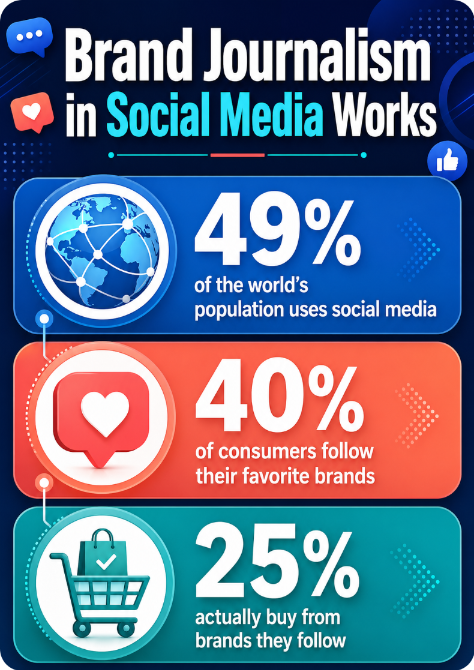
Source: Customer engagement in social media: a framework and meta-analysis (Journal of the Academy of Marketing Science)
Career Paths and Implications for Journalists
The shift toward brand journalism creates new, varied career opportunities for journalists beyond the traditional newsroom-to-PR pipeline. Some veteran journalists prefer building independent media brands within corporations, while others act as advisers to startups, lending their storytelling expertise to shape business strategies.
These roles still require vigilance in maintaining journalistic integrity, balancing brand alignment with truthfulness and trustworthiness. Moreover, the cultural fit and organizational placement of these editorial functions—often outside of traditional PR or crisis communications—affect the scope and impact of their work.
As old media outlets continue to downsize and consolidate, brand editorial positions offer attractive alternatives. They provide higher compensation and creative autonomy, appealing to journalists eager to leverage their skills in more sustainable and innovative contexts.
Impact on the Future of Content and Marketing
The embrace of storytelling by companies marks a paradigm shift in how content is produced and consumed. Brands are no longer just advertisers; they are becoming content creators and publishers in their own right. This development challenges traditional media’s gatekeeping role and transforms marketing from a campaign-driven activity into an ongoing narrative-building process.
Ultimately, the convergence of journalism and marketing within brands enhances content quality across the digital ecosystem. It delivers meaningful stories that cut through the clutter and align with audience interests in ways that drive loyalty and business value.
As this trend accelerates, reactive marketing platforms and digital tools that facilitate quick, relevant content creation and distribution will become indispensable, signaling a new standard in audience engagement and brand communication.