What are Zero-Click Searches? The Growing Trend May Be Killing Your CTR
As AI-powered search results increasingly satisfy user queries directly on the search engine results page (SERP), advertisers and marketers are grappling with the rapid rise of zero-click searches.

|
Posted: June 22, 2026 |
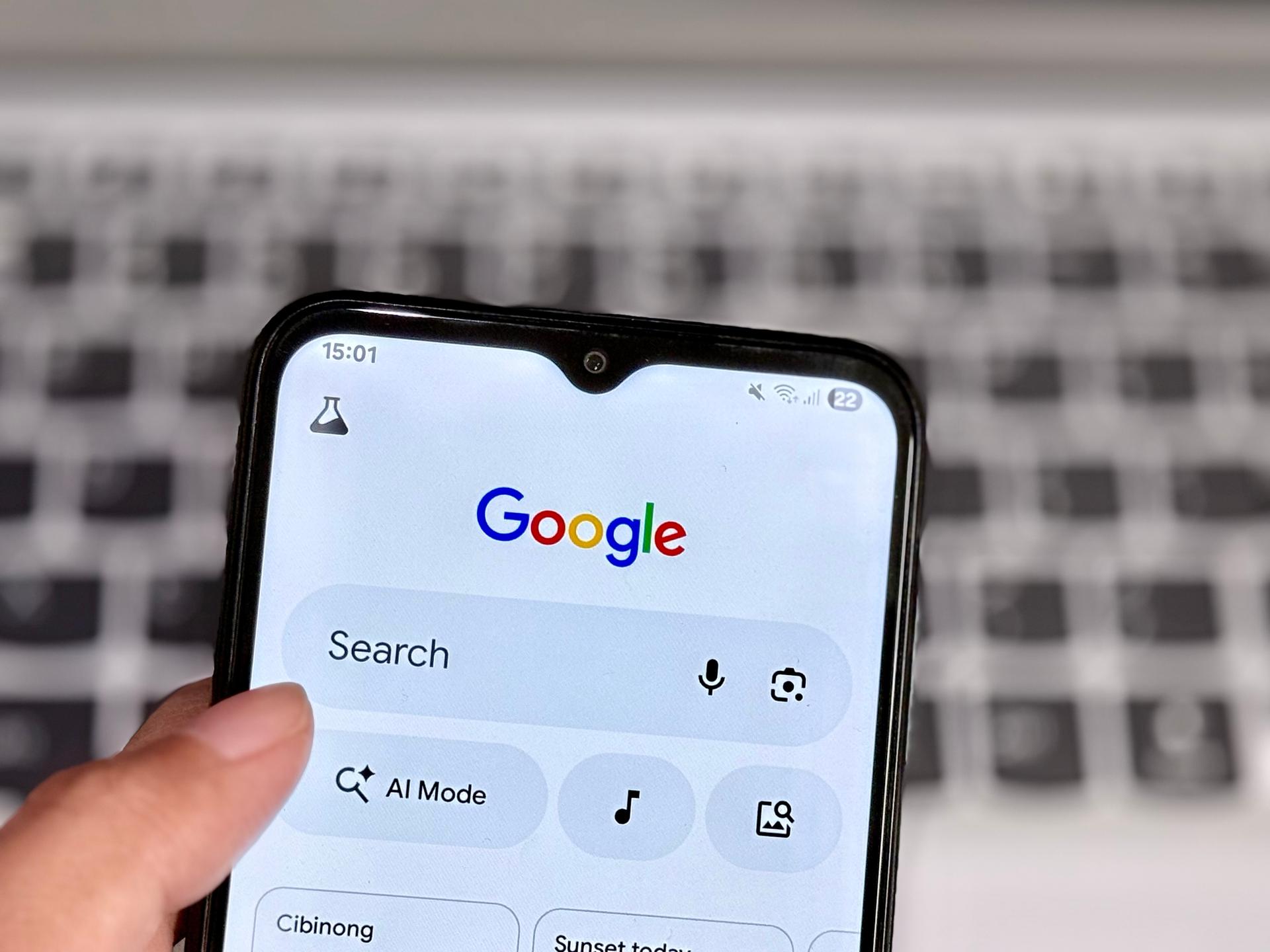
Recent data reveals that nearly 60% of searches now end without users ever clicking through to a website, a phenomenon highlighted in The AI ROI Crisis: Why Zero-Click Search Is Pushing Advertisers to the Open Web. This shift is deeply impacting traditional digital advertising models, particularly paid search campaigns that have historically relied on click-through rates (CTR) to drive traffic and conversions.
The evolution of search behavior from navigating via “blue links” to receiving synthesized AI-generated answers on the SERP is reshaping digital marketing strategies. Understanding zero-click searches is crucial for advertisers planning to thrive in this changing landscape.
The Emergence and Mechanics of Zero-Click Searches
Zero-click searches occur when a user enters a query into a search engine like Google but receives an answer directly within the SERP itself—often from AI-generated summaries or “answer boxes”—without the need to click through to another website. Traditionally, users were presented with 10 blue links directing them to external sites where they could explore more. Now, advances such as Google's Search Generative Experience (SGE) synthesize and present detailed responses right at the top of the page.
This evolution means that search engines fulfill user intent immediately, which enhances user convenience but significantly reduces the traffic flow to advertiser websites. The AI Overviews, as Google calls them, have become the default interface for hundreds of millions of queries worldwide covering informational, navigational, and commercial intents.
For advertisers, this translates into a fundamental challenge: the user's intent remains, but the crucial click does not. Without clicks, the traditional funnel from impression to conversion is broken, leading to declining CTRs and increased difficulty in measuring the return on ad spend (ROAS).
Impact on Paid Advertising Performance
The implications for paid search campaigns are profound. Recent studies, including analysis by Seer Interactive cited in the Taboola marketing hub article, document a sharp decline in paid click-through rates when AI-generated answers are present. CTR drops by more than 50%, falling from approximately 21% to under 10% when AI Overviews appear on the page.
This mechanical drop is accompanied by a “double hit” effect on advertising ROI: not only do fewer users click ads, but the cost per click (CPC) rises due to fierce competition for the now-shrinking ad inventory that remains visible above the fold—especially on mobile devices where AI answer boxes often occupy the prime screen real estate.
Advertisers therefore face increasing budgets to maintain the same revenue levels, shrinking impression shares, and reduced visibility. This trend is widespread across various industries and is reshaping the cost-benefit calculations that underpin digital ad strategies.
The Strategic Shift Toward the Open Web
In response to the zero-click search phenomenon and its associated challenges, many marketers and brands are pivoting to advertising channels beyond the walled gardens of Google and other large platforms. The open web—which consists of independent publishers, niche media, news sites, and lifestyle content platforms—is becoming an attractive alternative.
Unlike the AI-filtered environment of Google Search, the open web offers advertisers the ability to place native ads integrated within content, allowing for a seamless user experience and better control over the entire advertising funnel: from impression through to landing page.
This shift brings several advantages. First, users who arrive on publisher sites via native or programmatic ads tend to be in discovery mode, and their engagement with ads is more natural and less obstructive. Second, advertisers gain transparency and control as they can select specific publishers or verticals to align with brand messaging, test creative approaches without excessive bidding wars, and utilize first-party data to refine targeting.
Brands that diversified early into these open web ecosystems have reported that these channels are successfully absorbing traffic volumes lost from traditional paid search, often with lower customer acquisition costs. This trend signals an important evolution in digital marketing tactics as performance-driven marketers seek sustainable growth outside of AI-affected search environments.
Optimizing for AI-Driven Consumer Behavior
Zero-click search is not just a technical innovation; it is a signal of broader shifts in consumer behavior and digital commerce. As AI agents and answer-driven interfaces become dominant touchpoints, the role of traditional keyword-based targeting diminishes. Instead, brands must adapt their acquisition funnels to embrace a diverse digital landscape.
Success in this new paradigm demands focus on first-party data, direct attribution models, and blended ROAS metrics across multiple channels. The rise of agentic commerce—where AI assistants may conduct transactions on behalf of users—further complicates the picture, reducing reliance on user-initiated clicks and increasing the need for brand presence in AI-curated recommendations.
Brands positioned to capitalize on this shift use sophisticated geographic and contextual strategies to target consumers effectively. They harness AI technologies themselves, optimizing marketing efforts for emerging metrics of engagement and conversion that go beyond clicks, such as viewability, time spent on content, and post-click interactions.
Balancing Between Control and Visibility
The tension between platforms' desire to keep users within their ecosystems and advertisers' need for measurable traffic and conversions is redefining the digital advertising ecosystem. Platforms like Google simultaneously aim to optimize user experience with AI-generated answers while maintaining the business model reliant on advertising revenue.
Advertisers find themselves in a competitive auction for diminishing ad placements nestled below AI blocks, which, while visible, command higher CPCs and deliver fewer qualified clicks. This imbalance forces advertisers to reconsider budget allocation, focusing less on search dominance and more on broader channel diversification.
Leveraging programmatic display, native advertising, and direct publisher partnerships provides pathways to regain control over customer journeys and build long-term brand equity outside of AI-dominated SERPs. These approaches enable brands to own their audience interactions end-to-end, mitigating the risk of sudden algorithm or interface changes by platforms.
The Changing Metrics of Success in 2026
Traditional metrics like search volume, clicks, and impressions no longer fully capture advertising effectiveness in an AI-driven world. Gartner forecasts a 25% decline in traditional search volumes by 2026, underscoring a fundamental shift away from keyword-centric marketing.
Modern digital marketing success relies on embracing new performance indicators that reflect the realities of AI-curated user experiences. These include customer lifetime value, engagement depth, conversion quality, and cross-channel attribution models that account for both direct and assistive roles of various marketing touchpoints.
Brands that proactively adjust measurement frameworks and integrate their data ecosystems to reflect these new realities will find themselves at a competitive advantage. Exploiting a blend of open web opportunities with AI-aware strategies positions marketers to evolve beyond the constraints of zero-click search phenomena and capture value in an increasingly complex digital landscape.
Sources
- digitalmarketinginstitute.com - Google AI Overviews: What Do They Mean for Search?
- digiday.com - How Google's AI Overviews is affecting paid search strategies
- searchengineland.com - New data: Google AI Overviews are hurting click-through rates
- admonsters.com - Beyond The Walled Gardens: Why It's Time For The Open Web
- thecurrent.com - The value of the open internet is growing in the eyes of advertisers
- mintegral.com - Unlocking App Growth on the Open Internet: Why it Matters in 2026